

Wedding Photography Styles Explained: How to Find the One That's Actually Yours
When you start looking for a wedding photographer, the terminology hits fast. Documentary. Fine art. Editorial. Lifestyle. Photojournalistic. Dark and moody. Light and airy. Most photographers use several of these words at once, and often none of them mean exactly the same thing to any two people.
This guide is an attempt to actually explain what these styles mean — not just define the labels, but describe what the photographs look like, how they're made, and most importantly, how to figure out which one is yours.
Once you've figured out which style speaks to you, the next question is usually what it costs to book a photographer for it. I built a pricing calculator so you can see exactly what documentary-style coverage runs for your hours with All The Feels, plus add-ons like a second shooter or Super 8 film. Check out the All The Feels Club pricing calculator and see real numbers for your day.

Why Style Matters More Than Price
Before the breakdown: a note on why this decision matters.
Your wedding photographs are the only part of the day that exists after it's over. You'll look at them on your anniversary, show them to people you haven't met yet, and eventually hand them to someone who wasn't there. What they look like — and more importantly, how they feel — is worth thinking carefully about before you book anyone.
The biggest mistake couples make is choosing a photographer based on price first and style second. A technically skilled photographer whose aesthetic doesn't match what you love will give you beautiful photographs that feel like someone else's wedding. The right style fit, even from a less famous photographer, gives you photographs that feel like yours every time you look at them.
The Main Wedding Photography Styles
Documentary Photography (or Photojournalistic)
What it is: Photography that prioritizes capturing what actually happens — unposed, unscripted, and unplanned. The photographer moves through the day like a journalist: observing, anticipating, and recording moments as they unfold without staging or directing them.
What the photographs look like: Candid, real, often imperfect in the best possible way. Guests caught mid-laugh. Hands being held during the ceremony without anyone knowing they were being photographed. The moment between moments. Emotion that reads as genuine because it is.
What it requires from you: Relatively little. The best documentary photography happens when couples forget the photographer is there. A good documentary photographer knows how to disappear.
Who it's for: Couples who want their photographs to feel like memory — like evidence of what actually happened, not a record of how things were arranged to look. Couples who feel self-conscious being photographed. Couples who want their day to feel like their day rather than a production.
What to look for in a portfolio: Images that feel like they were taken without the subject knowing. Varied, imperfect compositions. Photographs that tell a story across the day rather than a set of polished portraits.


_______________________________
Fine Art Photography
What it is: A more intentional, aesthetically driven approach — the photographer brings a strong visual point of view and makes active creative decisions about light, composition, and framing. The photographs are crafted rather than captured.
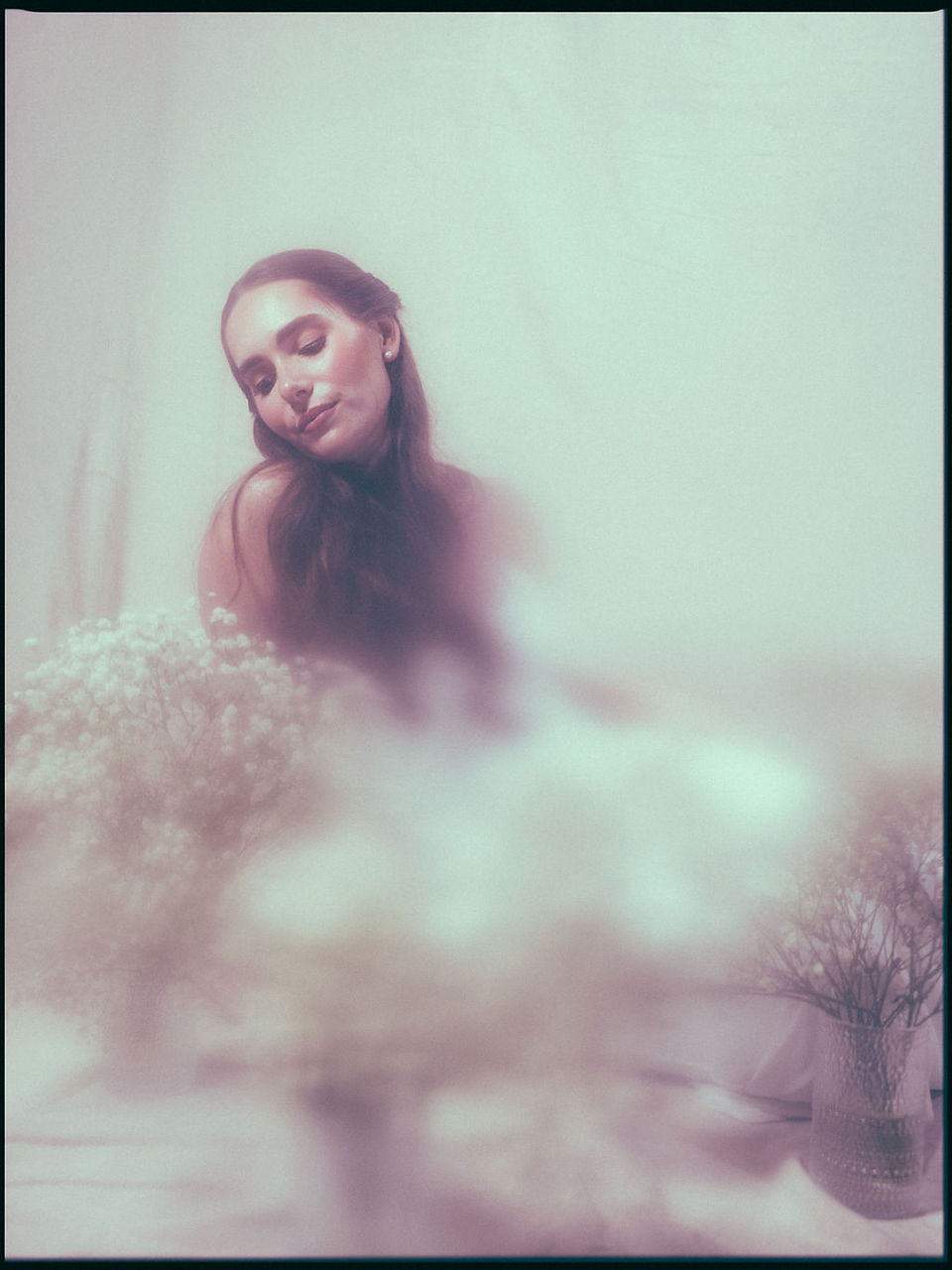
What the photographs look like: Cinematic, often painterly. Strong use of natural light — window light, backlight, shadow. Compositions that feel considered. A consistent, often muted or ethereal color palette. Photographs that could hang on a wall.
What it requires from you: Some willingness to be guided — fine art photographers often have specific locations, times of day, and types of light they want to work with. You may be asked to stand in a particular spot or face a particular direction to achieve the shot.
Who it's for: Couples with a strong aesthetic vision who want their photographs to feel like art objects. Couples who care deeply about how the final gallery looks as a collection.
What to look for in a portfolio: Consistency of light and tone across the entire portfolio. Images that feel composed rather than captured. A distinctive color treatment.




_______________________________
Editorial Photography
What it is: Inspired by fashion and magazine photography — high-concept, stylized, often involving direction and intention. Think Vogue rather than a family album. The photographer brings a strong visual language and treats the wedding as a creative production.
What the photographs look like: Dramatic, fashion-forward, often with bold use of light and shadow. Couples styled almost like models. Photographs that feel like they belong in a magazine spread — because that's the reference point.
What it requires from you: Comfort being directed. Willingness to engage with a vision that may be as much the photographer's as yours. Often works best with couples who have a specific aesthetic and want the photographs to reflect it fully.
Who it's for: Couples with a bold, defined visual identity who want their photographs to feel cinematic and intentional. Couples who are comfortable being in front of a camera and want to use that comfort.
What to look for in a portfolio: Strong, graphic compositions. Bold light. A sense that every photograph was designed.


_______________________________
Film Photography (Analog Photography)
What it is: Photography shot on actual film, 35mm or medium format, rather than digital. Some photographers shoot entirely on film; many mix film and digital (highly recommended, even by professionals, especially for backup reasons).
What the photographs look like: Warmer, slightly softer, with a particular grain and color rendering that digital cameras don't replicate exactly. Film photographs have an inherent texture and tonal quality that reads as nostalgic, intimate, and timeless. Skin tones are often more natural.
What it requires from you: Usually nothing different — film photographers work the same way as digital photographers. The difference is entirely in the output.
Who it's for: Couples who love the aesthetic of analog photography — the grain, the warmth, the tonal quality. Couples who want their photographs to feel like they were taken a generation ago, in the best possible way.
What to look for in a portfolio: Grain, warmth, and tonal subtlety. A color treatment that doesn't get applied in editing softwares. The particular quality of skin tones that film renders differently than any digital preset.


_______________________________
Lifestyle Candid Photography
What it is: A middle ground between documentary and posed — the photographer creates natural-feeling situations and prompts couples to interact, then photographs what unfolds. Not fully directed, not fully candid.
What the photographs look like: Warm, relatable, often with a sense of movement and connection. Less formal than editorial or fine art, more polished than pure documentary. Photographs that look like the couple is genuinely enjoying themselves — because they usually are.
What it requires from you: Responsiveness to light direction ("walk this way," "look at each other") without it feeling like a formal shoot. Works well for couples who want natural-feeling photographs but feel more comfortable with some guidance.
Who it's for: Couples who feel self-conscious being photographed but also aren't sure they want purely unposed documentation. A good middle ground for most people.
What to look for in a portfolio: Photographs that feel natural but aren't quite candid — a sense of arranged spontaneity. Consistent warmth of light and color.


What Most Photographers Actually Do
Here's the honest answer most guides skip: the vast majority of experienced wedding photographers work across multiple styles within a single day. A good photographer shoots documentary during the ceremony, transitions to fine art for portraits during golden hour, and returns to documentary for the reception.
The style label a photographer uses is usually shorthand for their dominant aesthetic tendency, not a rigid rule. What matters more than the label is the work itself. Look at full galleries, not highlight reel shots, and ask yourself how the photographs make you feel.
How to Find the Right Photographer for You
Look at full galleries, not just portfolio highlights. Anyone can select ten extraordinary photographs. The question is what the other 400 look like: whether the light holds up in difficult indoor situations, whether the candids are as strong as the portraits, whether the gallery feels like a coherent story of a day even if the style has to change throughout the day and situations.
Ask how they work during the ceremony and reception. These are the moments that matter most and are hardest to control. Find out whether they direct couples during portraits, what they do when the light is bad, and how they handle family formal photographs.
Notice how the photographs make you feel. Not "do these look impressive", but "do I recognize myself in these photographs?" Style fit is about whether the work resonates with you personally, not whether it's technically accomplished or if the location looks similar to yours. It doesn't have to be: a skilled photographer has got you covered in any situation and space.
Ask about their lighting approach. Natural light only? Supplemental flash? How do they handle dark venues? The answers tell you a lot about the practical differences between photographers even within the same style label.
Read the reviews for emotional resonance. The best reviews don't describe how many photographs were delivered. They describe how couples felt during the session, whether they felt comfortable, seen, and at ease.
The Questions Worth Asking Before You Book
Do you direct couples during portrait sessions, or do you prefer to prompt and observe?
How do you handle difficult light: dark venues, harsh midday sun, overcast days?
Can I see a full gallery from a recent wedding rather than just portfolio shots?
What happens if you're sick or have an emergency on our wedding day?
Do you shoot film, digital, or both?
How do you work alongside a videographer if we have one that's not on your team?
What's your approach to family formal portraits?
Read more about all the essential questions to ask a wedding photographer (or not!) in this full blog post.
Frequently Asked Questions
What is documentary wedding photography? Documentary wedding photography (also called photojournalistic) prioritizes capturing real moments as they happen without posing or directing. The photographer works candidly throughout the day, recording genuine emotion and interactions rather than arranging them.
What is the difference between fine art and editorial wedding photography? Fine art wedding photography is characterized by a strong aesthetic vision, careful use of natural light, and a consistent, often painterly visual treatment — the photographs feel crafted and could hang on a wall. Editorial wedding photography is more fashion-influenced — bold, dramatic, and styled. Both are intentional and aesthetically driven; fine art tends toward the timeless, editorial toward the high-concept.
What is the most popular wedding photography style? Most couples gravitate toward a documentary or lifestyle approach — they want their photographs to feel real and personal rather than posed. Fine art and film photography are growing significantly, particularly among couples with strong aesthetic sensibilities.
What wedding photography style is best for natural-looking photos? Documentary or lifestyle photography produces the most natural-looking results, since both prioritize genuine interaction over formal posing. Film photography also tends to render skin tones and light in a way that looks more natural than digital presets.
How do I know which wedding photography style is right for me? Look at a lot of work and pay attention to which photographs make you feel something. The style that resonates isn't always the one you'd have named before you started looking — trust your gut reaction more than the labels.
At All The Feels by Mucci, the work lives somewhere across all of these — documentary, editorial, candid, cinematic, organic. Shot on both digital and film. Soulful photography for wherever you are in your story, whether that's an elopement at City Hall, a wedding across the world, or a quiet afternoon in the park. Come see if it feels like you.
Based in NYC, available worldwide.


Comments